The Switch-On Is the Easy Part: Grants, Permissions and Volunteer Hours Behind Bridgend’s 2026 Christmas Lights
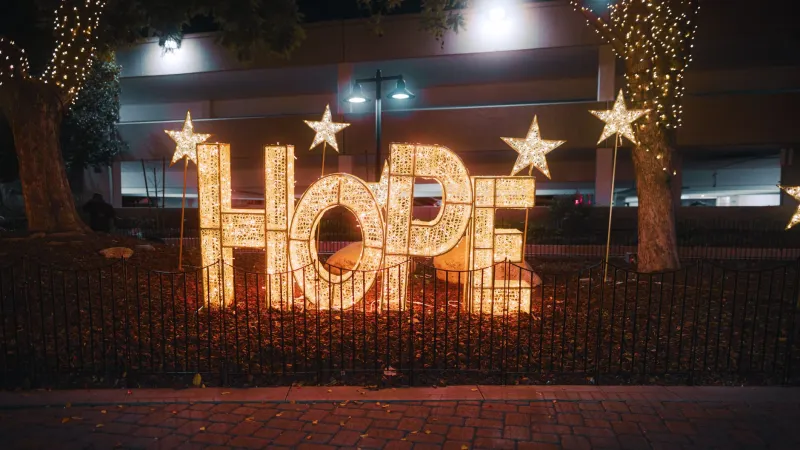
With less than seven weeks to Christmas, the festive season in Bridgend county borough is already taking shape. Town centre illuminations are being tested, community halls are booking choirs, and volunteers are counting extension leads. But a Christmas switch-on does not happen because a council or a community suddenly remembers to buy fairy lights. It happens because someone fills in a grant form, checks an insurance certificate and persuades a dozen people to stand in the cold with a collecting bucket.
That is the part the photographs rarely show. As your Member of Parliament, I want to celebrate the organisers — and be honest about the paperwork that can determine whether a ward gets a celebration at all.
What is actually planned across the county borough in 2026
The 2026 festive programme will look different from place to place. Bridgend town centre, Maesteg and Porthcawl will host larger switch-on events with stages, stalls and road closures. Pencoed, Pyle, Cornelly, Ogmore Vale, Blaengarw, Nant-y-moel, Caerau and Cefn Cribwr will see smaller gatherings: a tree outside a community centre, a lantern walk, a church hall concert, a high-street window trail.
None of these is less important than a town centre stage. For an older resident who finds the bus to Bridgend difficult, the switch-on at the end of their street may be the only festive event they attend. For a child in a valleys community, the lights outside the village hall are the season.
But the difference between a large event and a small one is often not ambition. It is capacity.
The small grants that make the tinsel possible
Most community switch-ons rely on modest sums: a few hundred pounds for lights, a grant for a stage or marquee, money for insurance, printing and refreshments. Some organisers draw on town and community council grants. Others approach Bridgend County Borough Council’s community grant schemes, the National Lottery Community Fund’s Awards for All, the Co-operative Local Community Fund, or local businesses and councillors’ ward budgets.
The sums are small, but the conditions can be demanding. Groups may need a constitution, a bank account, safeguarding policies, match funding, receipts and a realistic budget. Deadlines often fall months before the event. A volunteer who starts in October may find the fund closed, the council officer on leave and the only available insurance quote beyond the budget.
This is not a complaint about scrutiny. Public money should be accountable. But accountability should not become a barrier that favours communities with a professional grant-writer over communities with a willing parent, pensioner and pub landlord.
Permission, insurance and the unglamorous essentials
A switch-on on a high street needs more than a plug. Organisers may need permission to use the highway, a temporary traffic regulation order for a road closure, street trading consent for stalls, and a premises licence or temporary event notice if alcohol is sold. Recorded music can require licences from PRS for Music and PPL. Food stalls need food hygiene registration. Electrical equipment should be PAT tested. Public liability insurance is essential. Risk assessments, first-aid cover and safeguarding arrangements — including DBS checks where volunteers work with children or vulnerable adults — all take time.
None of this is designed to spoil the fun. It is designed to keep people safe. But it does mean that a community group needs a small team, not just a big idea. It also means that the council and other agencies must offer clear, joined-up advice rather than a maze of separate departments.
Why some wards miss out
In recent winters, I have seen the same pattern. Communities with an active town council, a chamber of commerce or a strong voluntary group tend to switch on earlier and brighter. Communities without those structures often rely on one or two people who are already exhausted.
There is also a practical geography to festive inequality. A village with no community hall, poor bus links or no safe pedestrian route may struggle to host an event. A town centre with high business rates and empty shop units may find it harder to raise sponsorship. The result is that the postcode can determine the celebration.
That is why small grants matter. They are not merely a subsidy for tinsel. They are a modest investment in belonging, in high streets, and in the health of community life.
A resident’s checklist for 2026
If you want a switch-on in your ward, or want to support the one already planned, here is a practical starting point:
- Ask your town or community council what festive grant is available, and when the deadline falls.
- Check whether Bridgend County Borough Council needs a road closure, highway permission or street trading consent, and ask for the officer who can coordinate the process.
- Confirm public liability insurance before announcing a date. Do not assume a venue’s policy covers your group’s event.
- Keep the budget honest: lighting, power, insurance, stewarding, first aid, accessibility and clearing up all cost money.
- Offer specific help, not vague goodwill. Can you write a grant application, test lights, run a raffle, marshall a crossing, design a poster or provide a warm hall?
- Make the event accessible: level access, seating, a quiet space, clear timings and publicity in large print.
- Involve young people and older residents in the planning, not only in the audience.
What I am doing
In Parliament and in the constituency, I have argued that small community grants should be simpler, more transparent and, where possible, multi-year. A group that runs a successful switch-on should not have to start from scratch every autumn. I have also pressed for better coordination between the council, town and community councils, BAVO and local businesses so that advice on permissions and insurance is available in one place.
My office will continue to share information about local events and grant deadlines. If you are organising a switch-on in Bridgend and need help navigating a public body, please get in touch.
The lights will go on across Bridgend county borough in 2026. They will do so because people gave up evenings, filled in forms and made sure the cables were safe. Before the switch is flicked, let us thank them — and make it easier for the next street to join in.