The Keys Are Within Reach: A Practical Map of Community Ownership in Bridgend
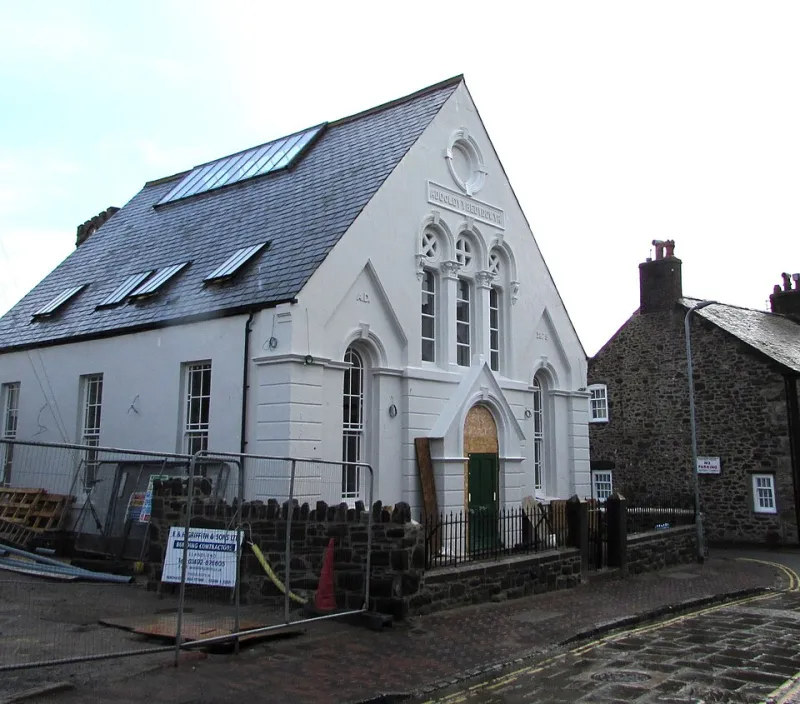
Photo: Jaggery , CC BY-SA 2.0, via Wikimedia Commons
Across Bridgend, the question is no longer whether communities should own assets, but which ones, and how quickly. Since the summer, our constituency office has heard from residents in Maesteg, Porthcawl, Caerau, Bettws, Kenfig Hill and Bridgend town about buildings that matter to them. Some are empty. Some are still trading. All are part of the social fabric. This is a practical map, not a promise that every site can be saved. Community ownership is hard work, and it is not a substitute for decent public services. But where a community has the will, the law and the funding should not be the barrier.
The Welsh rulebook: asset transfer, not a magic wand
In England, the Assets of Community Value regime gives communities a right to bid when a listed asset is sold. In Wales, the statutory landscape is different. There is no identical ACV list. Instead, community groups rely on community asset transfer, local authority asset management strategies, and Welsh Government community ownership support. That means the first step is often a conversation with Bridgend County Borough Council about whether a building is surplus, underused, or due for disposal. The council's asset register is public; ask for it. Ask, too, whether the site has been considered for transfer, and on what terms.
Labour's community right to buy proposals would change the national framework. The aim is to give communities a first refusal when a much-loved local asset is put up for sale, with time to raise finance and a clearer route to funding. Because devolution is real, those proposals must be co-designed with the Welsh Government and councils. A right on paper is useless without money for surveys, roof repairs and legal advice.
Five steps before the next funding round
First, define the community. A village hall committee is not the same as a charity with a membership. Incorporate, or work with an existing body. Second, gather evidence: how many people use the site, what would be lost, what would be gained. Third, ask the council for a community asset transfer or a listing. Fourth, build a business plan that includes maintenance, not just purchase. Fifth, apply for the successor community ownership funding and local grants. The next round is expected to close in the new year, so expressions of interest should be lodged well before Christmas. Do not wait for a building to be sold before asking for time.
Six places on the 2026 map
1. The former Bethania Chapel, Maesteg
A large chapel building with a hall, kitchen and street frontage. Residents have asked about a warm space, childcare and a base for advice services. The route: community asset transfer, then a feasibility study on heating and accessibility. The risk: repair costs. The opportunity: a town-centre site that could serve several generations.
2. The Old Pilot pub, Porthcawl
A pub with a function room and a car park, close to the seafront. It is not just a drinking place; it hosts darts, quizzes and family gatherings. The route: ask the owner whether a community bid is possible, and ask the council to record the site in its asset transfer discussions. A community bid would need a share offer and a clear tenancy plan. The opportunity: a seafront asset that could remain a social hub rather than become another closed frontage.
3. The old Caerau infants school
Empty classrooms, a playground and a hall. A group of parents and tradespeople want a workshop, a repair cafe and an after-school club. The route: council asset transfer and an urgent condition survey. The risk: the building may need significant investment before it can open safely. The opportunity: a site with space for training, childcare and small enterprise.
4. Bettws community hall
A hall with a kitchen and a small field. It needs new trustees and a maintenance plan. The route: strengthen the committee first, then seek a long lease. This is the least glamorous item on the map, and perhaps the most important. Community ownership often fails not because of a hostile council but because a small committee burns out. Mentoring and back-office support matter as much as capital.
5. The former Court Road library, Bridgend
A town-centre building that could house a community hub, advice desk and small cafe. The route: council discussion, heritage survey, and a partnership with existing advice agencies. The risk: the council may prefer a commercial sale. The opportunity: a civic anchor in the centre of town, close to transport and services.
6. Kenfig Hill working men's club
A club with a function room and a sense of history. Members want to explore a community share offer to keep the building open. The route: legal advice on the club's constitution, then a share prospectus. The opportunity: retain a venue for meetings, celebrations and local groups. The risk: share offers take time, and the building may need repairs before it can generate income.
What happens next
Community ownership is not a lottery. It is a sequence of legal, financial and organising steps. The six sites above are at different stages. Some may not succeed. That is why transparency matters: residents deserve to know the costs, the risks and the timetable. If you are part of a group exploring one of these buildings, or if you know a site that should be on the map, contact the constituency office. The next funding round will not wait, and neither should the communities that have kept these places alive.
As of 8 November 2026, the opportunity is real but finite. The keys are within reach. The task is to make sure the right people have the time, the advice and the money to turn them.