Sandbags Are Not a Policy: The Insurance Gap on Bridgend’s Valley Streets
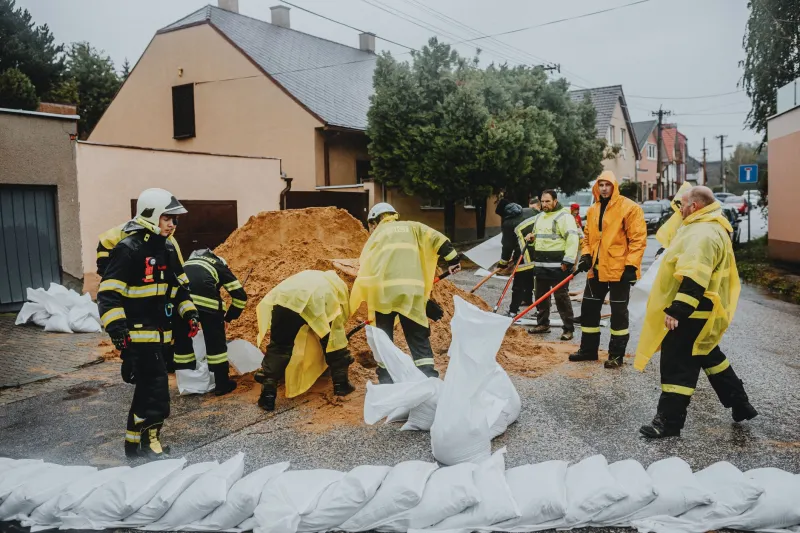
When the rain comes hard and fast across the Llynfi, Garw and Ogmore valleys, the sequence is now painfully familiar. Water gathers on roads, gardens and doorsteps. The council delivers sandbags. Neighbours help one another sweep out the worst of it. Then, weeks later, the insurance renewal arrives and the real cost of living on a valley street becomes clear.
Sandbags are a response to an emergency. They are not a policy for the future. For many households in Bridgend, the harder question is not whether the council can get sandbags to the door, but whether the family can afford to insure the home behind it.
A familiar sequence, and a less visible crisis
Surface-water flooding is not always dramatic. It does not need a named storm or a river bursting its banks. It can arrive when drains and culverts are overwhelmed, when saturated ground cannot take any more, or when a short, intense downpour sends water down steep streets into older terraced housing.
The immediate damage is visible: ruined carpets, soaked plaster, spoiled possessions. The longer damage is financial and often hidden. A household may find that its insurer has raised the excess to a level it could not possibly meet, or that the premium has risen beyond what a mortgage lender will tolerate. Some residents tell my office that they can get cover for the building but not contents. Others say the quote is so high that they have no realistic option but to go without.
That is the insurance gap. It is not a gap in the literal sense of no product existing. It is a gap between the risk a household carries and the cover it can reasonably afford.
What Flood Re does, and what it does not do
Flood Re was established to address exactly this problem. It is a joint initiative between the UK Government and the insurance industry, created to make household insurance more affordable for homes at high flood risk. Insurers pass part of their flood risk to the scheme, and a levy on the industry funds it. For eligible households, the result should be more competitive quotes than would otherwise be available.
But Flood Re is not a universal safety net, and it is not a price cap. It covers residential properties, but eligibility is limited. Homes built after 1 January 2009 are generally excluded, on the principle that new development should not add to flood risk. Businesses, including small shops and farms, are not covered by the household scheme. Some leasehold and mixed-use arrangements can fall outside it, and the scheme does not remove excesses or guarantee a premium that every household can afford.
That matters in Bridgend’s valleys, where the housing stock is older and where many streets were built long before modern drainage standards. It also matters because Flood Re is a reinsurance scheme, not a regulator of what insurers charge. It can make cover more available; it cannot by itself make a difficult risk disappear.
The streets where the maths fails
A mortgage lender requires buildings insurance. A tenant may need contents cover. A landlord has obligations. A small business on a valley high street may find that commercial flood cover is priced beyond reach. Each of these is a different version of the same problem: the risk is real, but the market does not always offer a fair way to manage it.
The consequence is that flood risk becomes a form of inequality. Households with savings can absorb a higher excess. Households without them cannot. Those who can afford to move may do so. Those who cannot stay, often in the streets most exposed to surface water. That is not a market outcome we should accept quietly.
What councils and the Welsh Government can do
Local authorities are lead local flood authorities. They have a duty to manage local flood risk, co-ordinating with Natural Resources Wales and other partners. They can maintain drains and culverts, investigate flooding incidents, publish clear local risk information and set out a transparent policy on sandbags and other temporary defences. Those are not minor matters. They are the foundation of public confidence.
The Welsh Government also has a role. It funds flood risk management and resilience work, sets the strategic direction and can push for reform of the insurance market where it fails households. Ministers should be pressing for clearer guidance on Flood Re eligibility, better support for residents who fall outside it, and a stronger link between planning decisions and local drainage capacity. New development must not be allowed to shift water onto existing streets.
There is also a case for local authorities and insurers to talk to one another more systematically. A council knows where the drains fail. An insurer knows where the claims cluster. Residents should not be the only people joining those dots.
What residents can do now
No household should have to become an expert in flood risk to protect itself. But there are practical steps.
Check the flood risk maps published by Natural Resources Wales and sign up for flood warnings where they are available. Keep a simple flood plan: know where to turn off gas and electricity, keep important documents in a waterproof container, and store photographs of your property and possessions. If you rent, check what your landlord is responsible for and consider contents insurance.
When renewing insurance, do not simply accept the first quote. Speak to a broker who understands flood risk. Ask directly whether the property is eligible for Flood Re and whether the quote reflects that. Do not cancel cover without taking advice, even if the premium feels punishing; going uninsured can create a larger problem later.
Report flooding and blocked drains to the council, and keep a record. Photographs, dates and reference numbers matter. Constituents who are struggling with insurance or council responses can contact my office; we can raise cases and signpost support.
A fairer settlement
The next storm will not wait for a task group to report. Bridgend’s valley communities need drainage that works, planning that does not make things worse, and an insurance market that offers cover at a price people can actually pay. Sandbags will always be part of the immediate response. They cannot be the whole of our flood policy.