Nine O'Clock and Already Dark: Challenging Prepayment Meter Debt in the Valleys
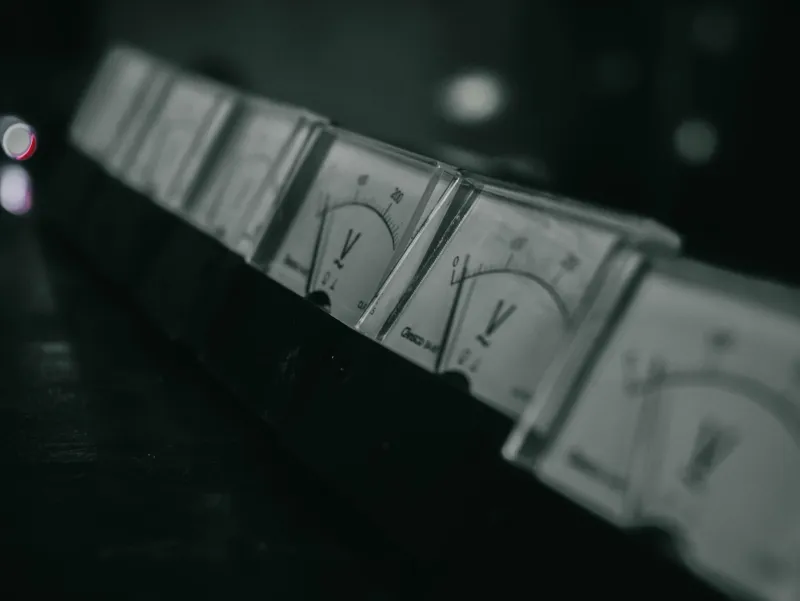
There is a particular arithmetic that happens in valley households at this time of year, and it is done standing up. It is done at the meter cupboard, in the half-light, with a key or a card and a figure in mind. Nine o'clock and already dark. The question is not whether the heating goes on but for how long, and whether the credit will stretch past the school run and the washing and the kettle.
My constituency postbag has carried this arithmetic for years. What has changed is the reason for it. Increasingly, the money going into the meter is not paying for this week's energy at all. It is paying for last winter's.
A pattern, not a run of bad luck
The cases that reach my office from Maesteg, Caerau, Pontycymer, Blaengarw, Nant-y-moel, Bettws and Sarn share a shape. A household falls behind after a bereavement, a redundancy, a period on statutory sick pay or a jump in a standing charge. A repayment plan is agreed over the telephone at a figure that looks manageable in July and becomes impossible in December. The meter is then set to recover the arrears at a weekly rate on top of usage. Consumption falls, because people are careful. The recovery rate does not. The debt barely moves, and the lights go out anyway.
This is not fecklessness, and it should not be described as such. It is the predictable consequence of loading a debt repayment onto a device whose only function is to interrupt supply. A direct debit customer in arrears negotiates with a supplier. A prepayment customer negotiates with a machine.
The geography matters too. The valleys have a high concentration of older terraced housing, much of it solid-walled, much of it off the gas grid and dependent on electric heating. Those properties cost more to keep warm before a single unit is charged for. When prepayment meters cluster in areas like these, self-disconnection stops being an individual misfortune and becomes a feature of the local housing stock.
What the licence conditions now require
The protections available in 2026 are real, even if too few households know about them. They sit in suppliers' licence conditions rather than in statute, which is both their strength and their weakness: they can be tightened without new legislation, and they can be eroded in the same way.
In outline, a supplier seeking to install a prepayment meter for debt recovery must have offered a realistic repayment plan first, must have taken account of the household's ability to pay, and must not install where it would be unsafe to do so. Remote switching of an existing smart meter onto prepayment mode for debt purposes is not permitted. Involuntary installation is barred outright for households above a set age threshold and for those with certain medical dependencies, and it otherwise requires a court warrant.
Those are the rules. They are only worth what the enforcement behind them is worth.
Before the warrant arrives
If a letter arrives warning of a warrant, the worst thing to do is to file it. A small number of practical steps, taken early, change outcomes more often than people expect.
- Ask, in writing, for an ability-to-pay assessment. Not a phone call — an email or a letter, so there is a record. Include income, essential outgoings, and any medical evidence.
- Propose a repayment figure yourself. Suppliers must consider a realistic offer. A plan of a few pounds a week that is actually sustained is better for both parties than a plan that collapses in February.
- Ask for the recovery rate on the meter to be reduced or paused, separately from the debt itself. This is the setting that causes self-disconnection, and it can be varied.
- Register on the Priority Services Register. It is free, it takes minutes, and it flags vulnerability before a crisis rather than after one.
- Keep the meter readings. A photograph of the meter on the day of any installation or switch is evidence if a complaint follows.
If the supplier will not move, a formal complaint starts an eight-week clock, after which the Energy Ombudsman can consider the case. In the meantime, Bridgend County Borough Council's welfare rights team and my own constituency office can both take up a case directly with a supplier. Neither charges, and neither requires anyone to have voted for anybody.
Emergency credit is a loan, not a gift
It is worth being plain about this, because it is the single most common misunderstanding in the cases I see. Emergency credit — usually around £10 on a key or card meter — is borrowed, not granted. It must be repaid before normal supply resumes, and it accrues against the same meter as the arrears. Friendly credit hours apply at particular times of day and week, but they are a deferral, not a payment.
Worse, standing charges continue to accrue while a property is off supply. A household that self-disconnects for a fortnight to save money can find itself further in debt at the end of it than at the start. That is a design fault, not a budgeting failure, and it is one of the things I have raised with ministers.
Where the money can actually come from
The Warm Home Discount is applied automatically to many eligible households but not all, and the check is worth making. The Welsh Government's Discretionary Assistance Fund can provide an emergency payment for a household at risk of disconnection. Fuel Direct allows arrears to be repaid through a deduction from certain benefits at a protected rate, which is often the most stable arrangement available. Breathing Space provides a period of protection from enforcement for those in problem debt, and Nest Cymru offers free, independent energy advice across Wales.
None of these is a solution to the underlying problem. All of them are better than a cold house in November.
What needs to change
The longer answer is that debt recovery should never have been built into the supply switch. Energy debt accumulated during a price shock is not a household's private failing; it is a shared cost of a system that allowed standing charges to rise while help arrived late. I have argued in Westminster for a social tariff, for a proper review of standing charges, and for suppliers to publish data on how many customers self-disconnect and for how long. We cannot govern what we refuse to count.
Until then, the arithmetic in the meter cupboard will continue. If it is happening in your household, please do not wait for the final notice. Write to me, or ring the office, and we will take it from there.
My constituency office holds a weekly advice session and can be contacted directly. All enquiries are treated in confidence.