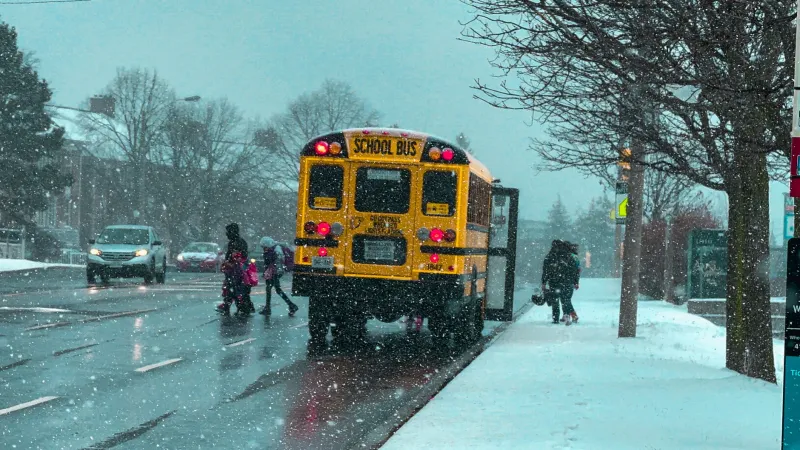
The Counter Beyond the Bus Fare: Pharmacy Access in Bridgend's Valleys
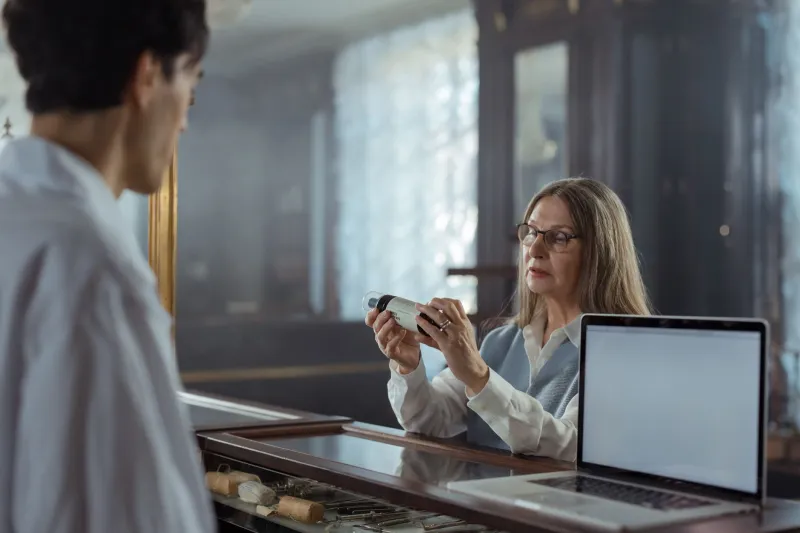
Across Bridgend, the local pharmacy has long been more than a shop. It is where a repeat prescription is collected, where a worried parent asks about a child's earache, and where an older resident can get advice without waiting weeks for a GP appointment. In 2026, that ordinary point of care is under strain. Closures and reduced opening hours are turning what was a short walk into a journey — and for some households in the Llynfi, Garw and Ogmore valleys, a journey that costs money, time and confidence.
When the counter closes
A pharmacy closure is rarely just a business decision. It removes a familiar face, a local source of advice and a place where health care is delivered in plain language. It also shifts the burden onto patients. For someone managing several medicines, a repeat prescription that once took ten minutes can become a half-day expedition involving two buses, a wait and a return trip. For a carer, it can mean arranging cover. For a worker on a zero-hours contract, it can mean lost pay.
The pattern is familiar across the valleys. A branch reduces its hours, then closes on Saturdays, then shuts altogether. The reasons given are often financial: low margins, workforce pressures, changing shopping habits. Those pressures are real. But the effect is cumulative. Each closure makes the next one more likely, because the patients who remain are those least able to travel.
The promise of pharmacy-first care, tested
The policy direction is clear. Community pharmacies are meant to do more: treat minor ailments, advise on medicines, support people with long-term conditions and take pressure off general practice. In Wales, the Choose Pharmacy common ailments service has shown what a good local pharmacy can do. The pharmacy-first model is sensible, progressive and popular. But it rests on an assumption that a pharmacy is within reach.
For many Bridgend residents, that assumption no longer holds. The gap between the promise and the reality is not abstract. It is the distance from a valley village to the nearest open counter. It is the bus fare that comes out of a pension. It is the afternoon taken off work to collect a prescription that could have been a five-minute walk. It is the older person who decides to wait and see rather than make the journey, and who ends up in a more serious condition because advice came too late.
This is not a argument against pharmacy-first care. It is an argument for taking access seriously. A service cannot be described as local if the local counter has gone.
Switching, challenging and being heard
There is practical help available, and residents should not wait for a closure to use it.
If you want to change pharmacy, you do not need permission from your current one. Ask the pharmacy you wish to use whether it is accepting patients and can dispense your repeat prescription. Then change your nomination with your GP practice. In many cases this can be done through the practice, through online services or through the NHS Wales App where available. If you use repeat dispensing, ask for the change to be recorded so that the next batch goes to the right place. Keep a note of the date and check with the new pharmacy before your next collection.
If a closure is announced, look for the formal notice and ask the Health Board for its assessment of the impact on patients. Ask whether the Pharmaceutical Needs Assessment for the area still describes adequate provision. Raise the matter with your local councillor, your Senedd Member and this office. The Community Health Council can take up individual concerns and represent patients' views. Closures are not simply a matter for the market; they are a matter of public health.
Residents can also shape the decisions that follow. Consultations on pharmaceutical provision can feel technical, but they are not closed to patients. Respond to them. Say what the closure means in practice: the bus fare, the taxi, the time off work, the carer who now makes two trips. Ask for an equality impact assessment. Ask what contingency is in place for people who cannot travel. Ask how the Health Board will monitor the effect on older people, disabled people and households without a car.
What this office is asking for
I have been contacted by residents who are anxious about the loss of their local pharmacy and frustrated by how little notice they received. Their concerns deserve a proper answer. This office is asking Cwm Taf Morgannwg University Health Board to publish a clear map of pharmacy provision across Bridgend, including opening hours and travel times from the valleys. We are asking for an honest assessment of the gaps, and for a plan that does not assume every patient can drive or afford a taxi.
We are also asking the Welsh Government to recognise that pharmacy-first care needs a pharmacy-first infrastructure. That means stable funding for community pharmacy, a workforce plan that reaches beyond the towns, and a willingness to intervene when closures leave patients stranded.
A pharmacy counter is not a luxury. It is part of the everyday scaffolding of care. When it disappears, the cost does not vanish. It is simply moved onto the people least able to bear it. In 2026, Bridgend should be able to say that routine care is still within reach — not two buses away.