Stitched Into the Budget: The Real Price of a Bridgend School Uniform
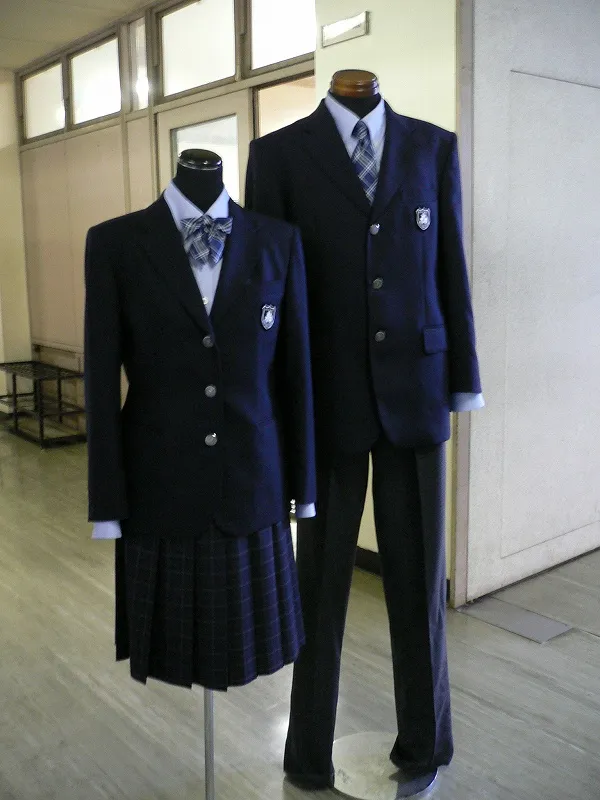
Photo: fukuhen, CC BY-SA 3.0, via Wikimedia Commons
Walk through Bridgend town centre on a late-summer Saturday and you will see the same scene repeated in shops from the Rhiw to Brackla: parents holding a school uniform list, doing sums on a phone, and trying to work out which items are genuinely required. The list looks modest on paper. In practice, it can carry a price tag that lands hard in the same month as rent, energy bills and the last of the summer holiday.
The uniform conversation often begins earlier than the first leaflet from school. In Bridgend, as across Wales, families are increasingly planning purchases across the year rather than in one August rush. That is sensible, but it should not be necessary. A child's start at school should not depend on whether a parent can find an extra £80 in a difficult week.
What the list actually asks for
The headline item is usually the blazer or crested jumper. Then come the shirt, tie, trousers or skirt, shoes, coat, bag and PE kit. Some schools specify a particular colour, logo or supplier. Others allow generic items that can be bought more cheaply. The difference between those two approaches can be the difference between a manageable bill and a debt.
The less obvious costs matter too. A child who grows during the year may need replacements. PE kit may need to be a specific style. A school may ask for a particular type of shoe for health and safety reasons. None of these items is unreasonable in itself, but together they create a cumulative cost that is rarely captured in a single headline figure.
The help that exists, and the help that is missed
The main national route is the Welsh Government's Pupil Development Grant Access. It is means-tested and provides support towards uniform, kit and equipment for eligible learners. The exact rate and the year groups covered are reviewed annually, so the first step is to check the current criteria rather than rely on a leaflet from a previous year. Families can apply through the school or through Bridgend County Borough Council's published process.
Eligibility is usually linked to free school meals or to certain benefits and household circumstances. That means two families on the same street, with similar incomes, may get different answers. It also means some families who assume they will not qualify are, in fact, eligible. The application is not a judgment on parenting. It is a payment to make sure a child starts school on the same footing as their classmates.
There is also help beyond the national grant. Individual schools sometimes hold small hardship funds. Local churches, community groups and food bank networks can sometimes assist with shoes or coats. These are not a substitute for a proper system, but they are part of the local picture and families should not feel they have to know every route alone.
Second-hand is not second-best
The quiet growth of uniform swap shops in Bridgend and the valleys has been one of the more encouraging developments in recent years. Many schools now run discreet rails or seasonal sales. Community groups in Maesteg, Porthcawl and the Llynfi Valley have organised exchanges where parents can pick up a blazer or a PE top without any paperwork.
The key word is discreet. A second-hand scheme works best when it is open to everyone, when children do not have to explain why they are using it, and when the school treats it as normal. A rail in a corridor is better than a referral form. A whole-school swap day is better than a whispered conversation at the office.
What schools control
Schools cannot control household budgets, but they can control their uniform policy. Governing bodies should ask a simple question: is every branded item essential, or is it simply traditional? A blazer with a crest can build identity, but a plain jumper in the school colour can do the same job at a lower price. PE kit can be specified by colour rather than by logo. Suppliers can be chosen with cost in mind, not just convenience.
Schools can also spread the cost. Payment plans, pre-loved sales and a clear statement that generic items are acceptable all help. So does avoiding the practice of sending a child home for wearing the wrong shade of black. That approach embarrasses the child and does nothing to help the family.
A practical checklist for Bridgend families
- Check the current Pupil Development Grant Access criteria before buying anything.
- Ask the school office whether it has a hardship fund or a payment plan.
- Look for school-run or community swap shops before paying full price.
- Buy generic items where the policy allows, and keep receipts.
- Do not buy the whole list in one week if the school allows a staged approach.
- If a cost feels unmanageable, tell the school early rather than waiting for the first bill.
The cost of stigma
The cheapest uniform policy is not always the one with the lowest headline price. It is the one that does not ask children to carry a visible sign of what their family can afford. That means no unnecessary logos, no surprise suppliers in September, and a grant system that reaches the families it is meant for.
My office regularly hears from parents who are balancing a uniform list against a energy bill or a rent increase. The help exists, but it is not always known, and it is not always easy to claim. The council and the Welsh Government should make the grant simpler to find and, where possible, automatic for families already known to be eligible. Until then, no parent in Bridgend should feel that the first day of school has to be paid for in silence.