The Queue Before Dawn: How Bridgend Gets a GP Appointment This Winter
On a November morning in Bridgend, the first test of the health service is not clinical. It is a dial tone. Before dawn, people are already holding phones, redialling a surgery number, hoping to be near the front of a queue that exists only for a few minutes. By the time the doors open, the day's appointments may already have been allocated. This is not a story about individual receptionists or indifferent doctors. It is a story about how access is designed — and who the design leaves outside.
The First Gate: The Telephone at Eight
Most practices in Bridgend still run a telephone-first system for same-day requests. The pattern is familiar: lines open at 8am, demand arrives in a surge, and the practice must sort urgent clinical need from routine inquiry within minutes. Some practices use an online consultation form alongside the phone. That can be quicker for those with broadband, a quiet room and the confidence to describe symptoms in writing. It is not a neutral alternative for everyone. A parent managing three children, a shift worker finishing at 7am, an older resident without a smartphone or a household with one shared device all meet the same gate from different starting points.
The queue is therefore not simply a queue. It is a sorting mechanism. It rewards persistence, timing and the ability to keep trying. Those are not clinical criteria.
Triage, Callback and the Language of Urgency
When a call gets through, the appointment is often not booked there and then. A receptionist may take details for a clinician to triage, or direct the patient to an online form. A callback may come later. The patient is asked to describe the problem, sometimes repeatedly, and to judge whether it is urgent. That judgment is difficult. A chest infection, a flare-up of anxiety, a child's temperature or a new pain can all sound manageable on the phone and look different in a consulting room.
Same-day capacity is also consumed by urgent need. A practice that reserves appointments for the sickest patients is behaving responsibly. But when routine appointments are pushed weeks ahead, the boundary between urgent and routine becomes a cliff edge. People wait, deteriorate, or present at an urgent treatment centre because the appointment they needed last month never arrived. The winter plan must be judged on whether it widens that boundary or simply manages the queue.
The Valleys Are Not a Postcode Afterthought
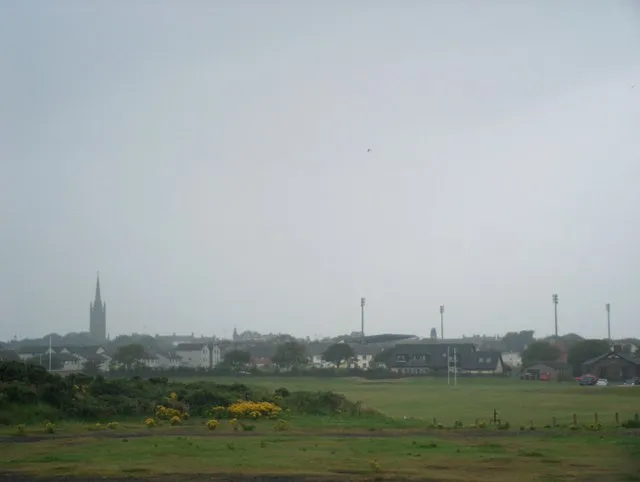
Bridgend is not one place. The constituency includes the town, the coastal communities around Porthcawl and the valley villages that stretch up the Llynfi, Ogmore and Garw. In places such as Blaengarw, Pontycymer, Nant-y-moel and Ogmore Vale, the distance to a surgery door is real, and the bus that once made it manageable is not always there. A phone-first system assumes that the phone is the main obstacle. In the valleys, the journey is the second obstacle.
Winter makes both harder. Dark mornings, wet pavements and cancelled buses turn a routine appointment into a day's expedition. Practices serving dispersed populations need appointment models that recognise travel time, not just clinical time. That may mean more use of community pharmacies for minor ailments, more outreach, and a clearer route for people who cannot get to the surgery at short notice.
What the 2026 Winter Plan Actually Adds
The health board's winter plan for 2026 sets out the familiar priorities: same-day access, extended hours, respiratory hubs, vaccination and support for care homes. These are necessary. They are also capacity measures, and capacity depends on staff. General practice in Wales has been under sustained pressure for years, with workload rising faster than the workforce. A plan that promises more appointments without saying where the clinicians come from is a plan that risks sounding better on paper than it feels at 8.05am.
The question for Bridgend is distribution. Will extended hours reach the valleys, or will they cluster where premises and staffing are easiest? Will respiratory hubs be accessible by public transport? Will practices publish how many appointments they offer each week and how many are same-day? Transparency is not a substitute for investment, but it is a condition of accountability.
Where Neighbourhood Health Fits — and Where It Does Not
The UK Labour government's neighbourhood health reforms are shaping policy in England, with a focus on prevention, multidisciplinary teams and care closer to home. Health is devolved in Wales, so those reforms do not apply directly here. But the principle does. The Welsh Government's own primary care reforms have pursued similar ground: pharmacists, physiotherapists, mental health practitioners and social prescribing alongside GPs.
Locally, that means the test is not whether a new national label arrives in Bridgend. It is whether the cluster of services around a practice actually works as one system. Can a patient see a pharmacist for a urinary tract infection without joining the 8am queue? Can a physiotherapist assess a bad back before it becomes a prescription? Can a social prescriber help with loneliness or housing before it becomes a crisis? Where those routes exist, they relieve pressure. Where they are invisible, the GP line absorbs everything.
When the Appointment Does Not Come
Residents are not powerless, though the routes can feel hidden. NHS 111 can direct people to urgent care when the surgery is closed or full. Community pharmacies can treat a growing list of minor conditions, and they do not require an appointment. Online consultation forms can create a written record, which is useful when a request is declined. Patient participation groups exist at many practices and can raise access issues. The health board has a complaints process, and this office can take up individual cases where the system has failed.
Practical steps matter: ask what the practice's access policy is, ask for the reason a request has been declined, and keep a note of dates and times. Ask whether another clinician — a nurse, pharmacist or physiotherapist — can help. If a journey is the barrier, say so. If a phone is the barrier, say so. These are not complaints for their own sake. They are evidence.
A Test of Design, Not Endurance
The appointment that is never offered is not a natural event, like cold weather. It is the result of choices about capacity, triage and geography. As winter 2026 closes in, Bridgend needs a general practice system that is honest about its limits and deliberate about reaching the places furthest from the surgery door. Patients can keep redialling. They should not have to.