The Ground Beneath Us: Coal Tip Safety and the Bill Bridgend Should Not Bear
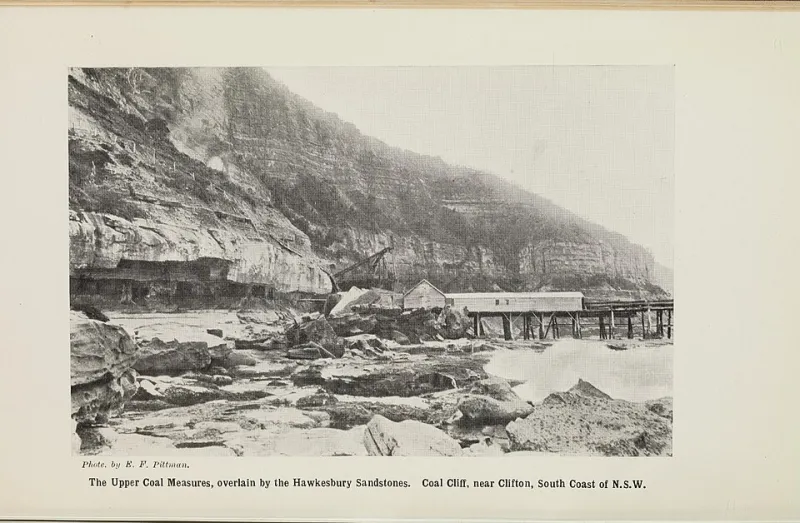
Photo: Geological Survey of New South Wales; Pittman, E. F., Public domain, via Wikimedia Commons
For communities in the Bridgend valleys, coal tips are not an abstract piece of industrial history. They are part of the landscape. Some sit above houses, schools and roads. Others are woven into the places where people walk, cycle and let their children play. The 2026 coal tip safety report is therefore not a technical document to be filed away. It is a test of whether government at every level is serious about living with the legacy of mining.
The report arrives at a time of growing public attention to the risks posed by abandoned coal waste. Since the 2020 Tylorstown landslip, the question of how Wales monitors, maintains and remediates its coal tips has moved from the margins of policy to the centre of community concern. For residents in the Llynfi, Ogmore and Garw valleys, that concern is rooted in lived experience. They know the history. They can see the spoil tips on the hillsides. They want to know who is responsible, what is being done, and who will pay.
A landscape shaped by coal
The industrial history of the Bridgend area is inseparable from coal. Mining shaped employment, migration, housing and identity. It also left behind a physical inheritance that outlasted the pits themselves. Coal tips were often created with the technologies and standards of their time. Some were landscaped and stabilised. Others have required monitoring and maintenance ever since.
Climate change adds a further dimension. Intense rainfall, prolonged wet periods and extreme weather events place additional pressure on older spoil tips. The risks are not uniform. Some sites are stable and well managed. Others require active intervention. The purpose of inspection and regulation is to identify which is which, and to act before a problem becomes an emergency.
That is why the 2026 report matters. It should provide a clear picture of the condition of regulated tips, the pace of remediation, and the funding available. It should also be honest about what remains unknown. Residents deserve transparency, not reassurance that is not backed by evidence.
What the report tells us and what it leaves open
The latest inspection round continues the work of categorising tips according to risk. Higher-risk sites require closer monitoring and, where necessary, engineering works. Lower-risk sites still need maintenance and oversight. The report is likely to show progress in some areas and persistent gaps in others.
The central question is not whether inspections are taking place. It is whether they are leading to timely action. A report that identifies a problem but leaves remediation waiting for a future funding round is not a solution. Residents in the valleys will judge the process by what happens on the ground: whether drainage is improved, whether slopes are stabilised, whether access is restricted where necessary, and whether communities are told the truth about timescales.
There is also a question of democratic accountability. Coal tip safety involves the Welsh Government, the Coal Authority, local authorities and, increasingly, the UK Government where funding and reserved matters are engaged. That complexity can obscure responsibility. The public should be able to see which body is responsible for which site, what work is planned, and how decisions are made.
Resident anxiety is not irrational
It is sometimes suggested that concern about coal tips is overblown. That is not a view shared by people who live below them. Anxiety is a rational response to visible industrial remains, changed weather patterns and memories of past incidents. It is compounded when communication is poor, when residents are not consulted, and when they are left to interpret technical reports for themselves.
Community engagement should not be an afterthought. Residents need accessible information about the sites near them, clear routes for raising concerns, and confidence that inspections are independent and rigorous. Local councillors and this office can play a role in making that happen, but the primary duty lies with the bodies that hold the regulatory and funding levers.
There is also an economic dimension. Property values, insurance and business confidence can be affected by uncertainty. A transparent and well-funded remediation programme is not only a safety measure. It is a form of place-making. It tells communities that their safety matters and that their future is not being neglected.
Who pays for the legacy?
This is the question that will not go away. Coal tips are a legacy of an industry that was privately run for much of its history and later managed through public structures. The communities living with the consequences did not create the risk. They should not be expected to bear the cost through council tax, reduced local services or a postcode lottery of funding.
The Welsh Government has accepted a responsibility to address coal tip safety, and UK Government funding has been part of the picture. That is welcome, but the funding must be sufficient, multi-year and allocated according to risk. Short-term pots and competitive bidding can create delay and injustice. Remediation is not a quick fix. It requires planning, engineering capacity and sustained investment.
There is a principled argument here that should appeal across parties. The state inherited the regulatory responsibility for these sites. It should fund that responsibility properly. The alternative is a cycle of inspection, warning and postponed work that leaves communities exposed and cynical.
What Parliament can do
Parliamentary scrutiny has a role in keeping the issue visible. Questions about funding, timescales and accountability should be answered in public. The UK Government should be clear about its contribution to remediating a legacy that spans the whole of the South Wales coalfield. Welsh Ministers should publish clear data on the condition of sites and the progress of works. Local authorities should be supported to engage residents meaningfully.
For Bridgend, the priority is straightforward. Residents need to know that the tips above and below their communities are being monitored, maintained and, where necessary, made safe. They need a clear answer on who pays. And they need to be treated as partners in decisions that affect their lives, not as an audience for reassurance.
The ground beneath our communities carries the marks of the past. The 2026 report should be judged by whether it helps to secure a safer future, not by whether it merely describes the problem. That is the standard residents deserve, and it is the standard this office will continue to press for.